

INDOOR & OUTDOOR LED
Choosing indoor and outdoor LED screens for each environment
Indoor and outdoor LED screens can use similar display principles, but the environment around the screen changes how the system should be specified.

Viewing distance, ambient light, pixel pitch, weather exposure, mounting conditions, thermal requirements and service access all influence whether an indoor or outdoor LED system is appropriate.
The right starting point is therefore not simply choosing “indoor” or “outdoor.” It is understanding where the display will be installed, how people will view it and what physical conditions the system needs to work within.
The same screen specification should not be applied automatically to every location.
Start with the actual environment
Indoor environments are generally protected from rain and direct weather exposure, but they can still vary significantly in ambient light, viewing distance and available mounting space.
Outdoor installations need to account for additional environmental conditions such as rain, dust, temperature changes and solar exposure.
Some projects also sit between the two categories. A display behind glazing, under a canopy or within a semi-open structure may need to be evaluated according to its actual exposure rather than being treated as automatically indoor or outdoor.
The environment should therefore be reviewed before the display specification is finalized.
Plan indoor LED for closer viewing
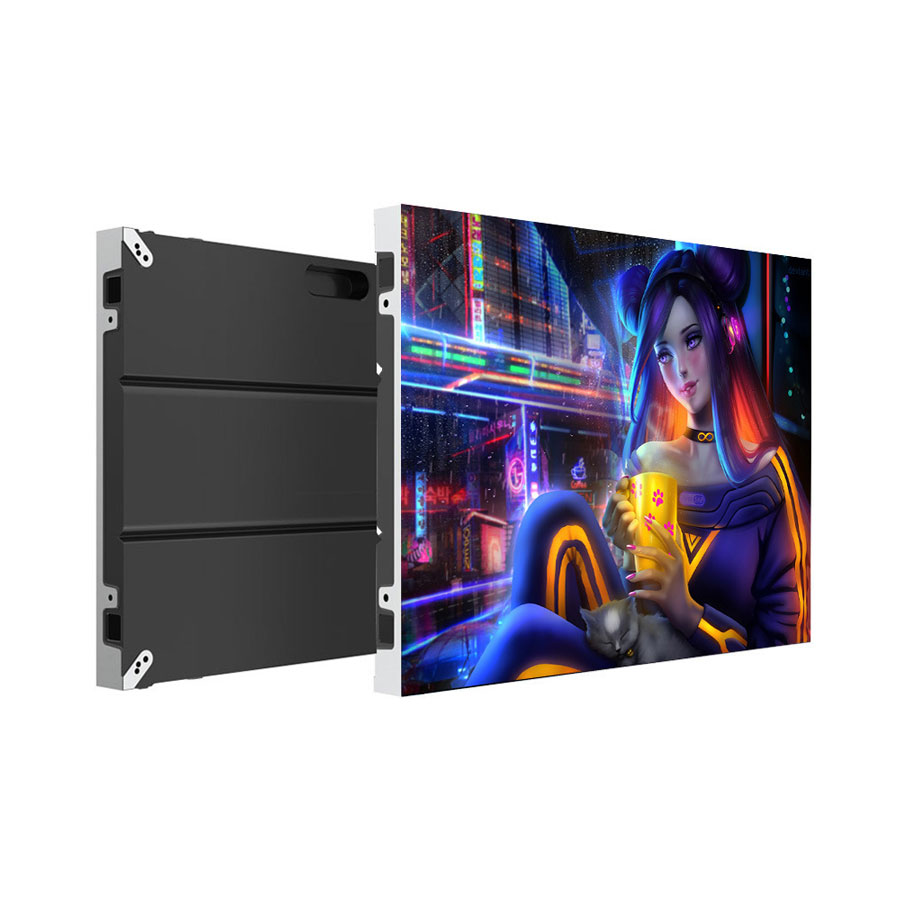
Indoor LED displays are commonly used where audiences view the screen from relatively controlled environments and often from shorter distances.
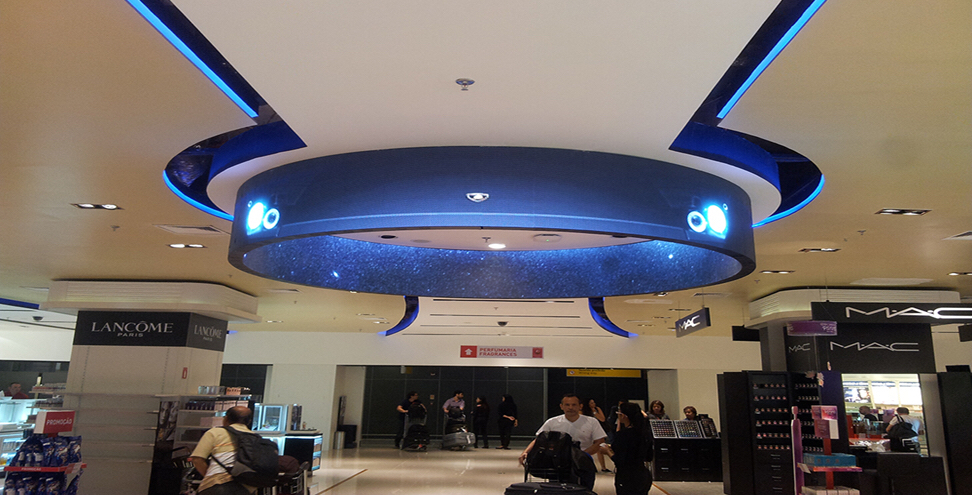
Applications can include reception areas, retail interiors, showrooms, corporate spaces, control environments, event spaces and feature walls.
Because viewers may stand closer to the screen, pixel pitch and image detail can become particularly important.
Indoor systems can also be integrated into walls, architectural features and custom structures where dimensions, access and finishes need to be coordinated carefully.
For projects focused specifically on close-view indoor applications, indoor LED displays provide the deeper product-level information.
Plan outdoor LED around exposure
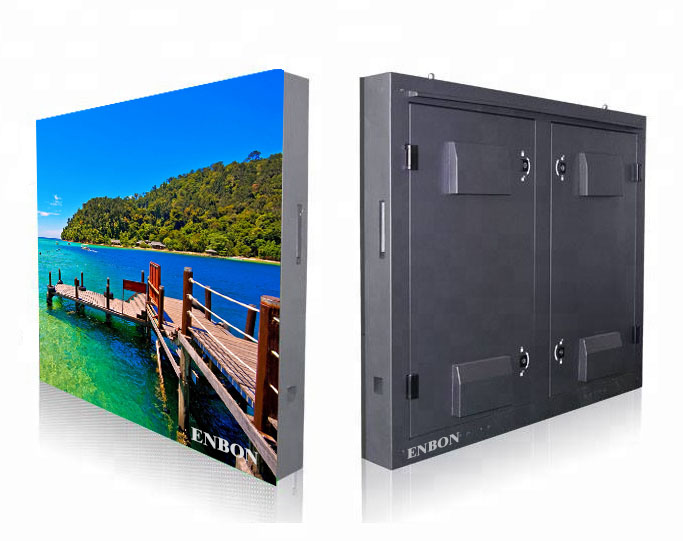
Outdoor LED systems are intended for exterior or exposed environments where environmental protection and higher ambient light may become part of the specification.
Applications can include building-mounted displays, roadside screens, outdoor advertising, stadium areas, retail exteriors and other public-facing installations.
Brightness should be selected according to actual viewing and daylight conditions rather than treated as a fixed requirement.
Weather exposure, enclosure design, mounting, drainage, ventilation and service access may also influence the selected system.
For projects that are clearly exterior, outdoor LED screens provide the more detailed product-specific path.
VISUAL REFERENCES
Real display environments

Match pixel pitch to viewing distance
Pixel pitch influences the relationship between image detail and viewing distance.
A smaller pixel pitch can provide finer visual detail at closer distances, while larger-pitch systems may be appropriate when the audience views the display from farther away.
The correct choice depends on the intended viewing position, content type and physical size of the screen.
Pixel pitch should therefore be considered together with screen dimensions rather than as an isolated specification.
For example, a close-view indoor screen showing detailed graphics may require a different approach from a large outdoor display viewed across a road or public space.
Set brightness around real conditions
Brightness requirements depend on the environment around the screen.
Indoor displays may operate in controlled lighting, but spaces with large windows, strong artificial lighting or direct daylight can still require careful evaluation.
Outdoor displays may face much stronger ambient light, particularly during daytime operation.
The appropriate brightness should be determined from the actual site and selected display technology.
Higher output is not automatically better in every situation. After dark, a display that is unnecessarily bright can also become visually uncomfortable or inappropriate for the surrounding environment.
Brightness and dimming strategy should therefore be planned together.
Review environmental and thermal requirements
Outdoor LED systems require protection suitable for their actual exposure.
Rain, dust, temperature changes, solar heat and humidity can affect equipment selection and installation details.
Required ingress-protection ratings, environmental specifications or other product characteristics should be confirmed against the selected equipment and site conditions rather than assumed generically.
Indoor installations can also face thermal constraints, particularly when screens are recessed into walls, joinery or enclosed structures.
Ventilation and heat dissipation should therefore be considered for both indoor and outdoor projects where the installation conditions require it.
Coordinate the support behind the screen
The physical support behind the display is as important as the visible screen.
Indoor displays may be wall-mounted, recessed, suspended or integrated into architectural finishes.
Outdoor systems may require frames, building interfaces or independent structures depending on the location and size.
The mounting approach needs to coordinate with screen dimensions, weight, access and the available supporting surface.
Where the project requires custom structure, unusual mounting conditions or more detailed site coordination, an engineered display solution can define the display-related structural interfaces, power, cabling and installation requirements within the agreed scope.
Structural design or approvals that require licensed professionals should remain clearly assigned to the appropriate project parties.
Define power, signal and system boundaries
LED displays require more than a screen surface.
Power distribution, signal paths, controller locations, cable routing and equipment access all need to be considered.
The required arrangement depends on the screen dimensions, module configuration, mounting method and distance from the supporting equipment.
Cable paths should also be coordinated with architectural finishes and surrounding building services.
The display system should not automatically be presented as including network infrastructure, CMS platforms or other third-party software unless those elements are specifically part of the project scope.
Design for service access
Maintenance access can influence the display design from the beginning.
Some LED systems are designed primarily for front service, while others may require rear access or a dedicated service space.
The correct approach depends on the mounting location, surrounding structure and available working area.
A wall-mounted indoor display with no rear access may require a different system from an exterior structure where technicians can safely reach the rear of the modules.
Access to power supplies, controllers, cabling and individual modules should be considered before the installation is enclosed.
Match the screen to its content
The appropriate screen is also influenced by what will be shown.
Large-format video, promotional graphics, information, branding and detailed text can place different demands on resolution, viewing distance and content layout.
Content intended for short-distance viewing may contain more detail than content seen quickly from a passing vehicle.
Screen dimensions and pixel pitch should therefore be selected with the intended content and viewing behaviour in mind.
The display hardware provides the visual platform; content production, scheduling, CMS platforms and source systems should be defined separately according to the project scope.
Compare LED with other display formats
LED is not automatically the right solution for every space.
LCD displays may be more appropriate for some smaller-format applications, particularly where conventional screen sizes and close-range viewing are sufficient.
Video walls can suit controlled indoor environments where multiple panels form a larger visual surface.
Transparent displays or other specialized formats may also be relevant where maintaining sightlines or integrating with glazing is important.
Visitors who want to compare the wider range can review the available display products before selecting a specific technology.
Information to prepare for an initial assessment
A useful initial assessment should include more than approximate screen dimensions.
Relevant information can include:
- indoor, outdoor or semi-exposed location
- available width and height
- approximate viewing distance
- expected operating hours
- ambient-light conditions
- intended content
- mounting surface or structure
- available power and data
- access for installation and maintenance
- drawings or photographs of the site
These details help determine whether an indoor LED, outdoor LED or another display format is the more appropriate direction.
NEXT STEP
Review the environment before finalizing the display
If you are planning an LED screen and are not yet sure which specification is appropriate, Spectracolor can review the environment, viewing conditions, dimensions, mounting requirements and service access with you before the display system is finalized.
Talk to Spectracolor →