

INDUSTRY
Displays for casino floors and entertainment spaces
A gaming venue contains several display environments under one roof. An entrance may need a clear welcome, a lounge may carry an entertainment programme, and a gaming floor may need restrained messages that do not compete with illuminated equipment. Spectracolor plans around each location and content role without treating every surface as a screen.

Plan by zone, not by screen count
Arrival areas, gaming floors, restaurants, bars, lounges and event spaces have different viewing distances and lighting conditions. A large display can establish a focal point at an entrance, while a smaller information display may serve a circulation route. In hospitality areas, content should sit alongside conversation and service rather than dominate them. We identify what visitors need to see, where they stand or move, and which messages deserve priority.
Make the gaming floor readable
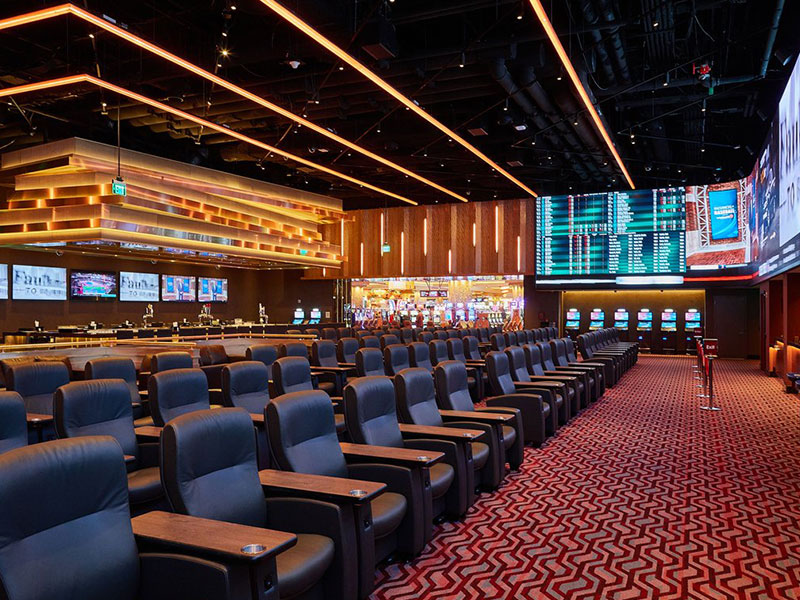
Gaming floors combine controlled ambient light with bright equipment, decorative lighting, polished finishes and reflective surfaces. These layers affect contrast and create competing points of attention. Assess screen position, angle, resolution and brightness from guest sightlines, including close views and views across the floor. The aim is legible content and visual balance, not maximum brightness. Long operating hours make heat, access and component replacement part of the display decision.
Give each message a clear purpose
Digital signage can carry venue announcements, entertainment schedules, hospitality promotions and brand campaigns. Essential directions should remain distinct from promotional material; an entrance event message serves a different purpose from a quieter lounge update. Agree content priorities, viewing time and who supplies each message before finalising layouts. Displays may present promotional or venue information, while gaming, loyalty, jackpot, player-tracking or transaction systems remain separate unless interfaces, data ownership and responsibilities have been explicitly defined.
VISUAL REFERENCES
Real display environments
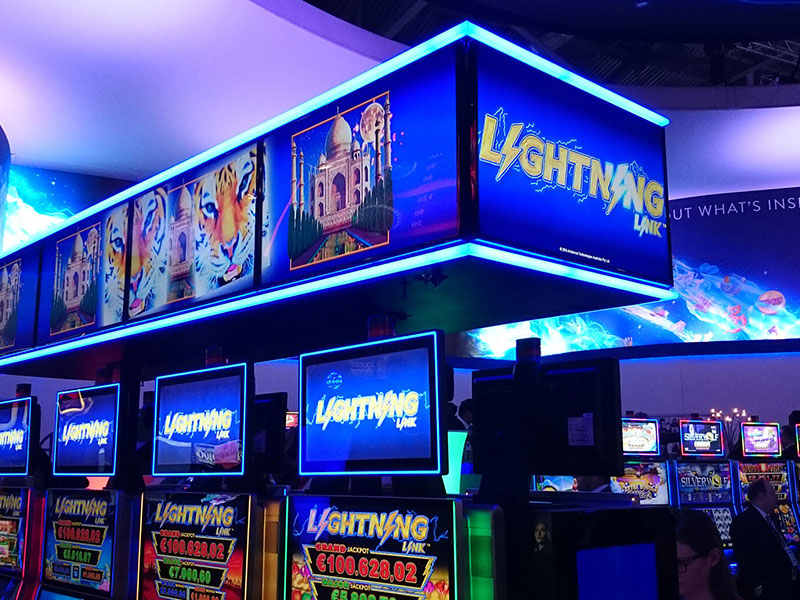
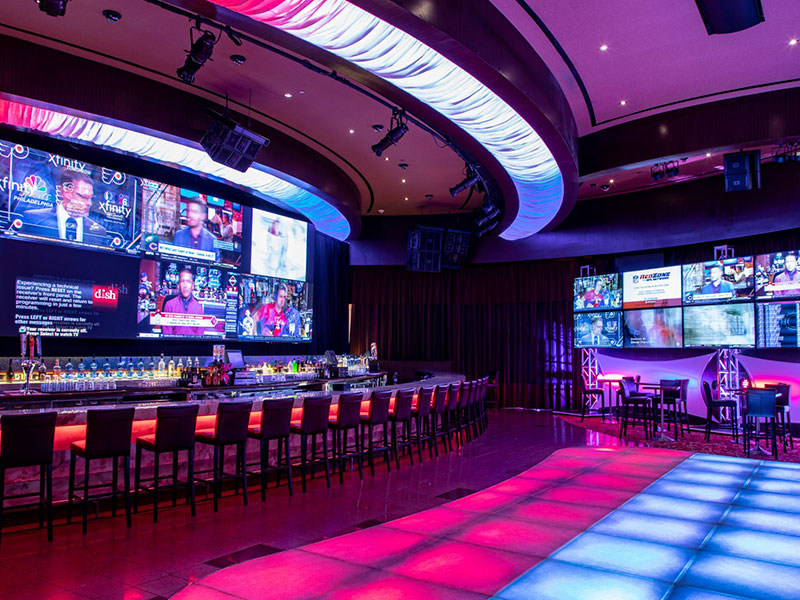
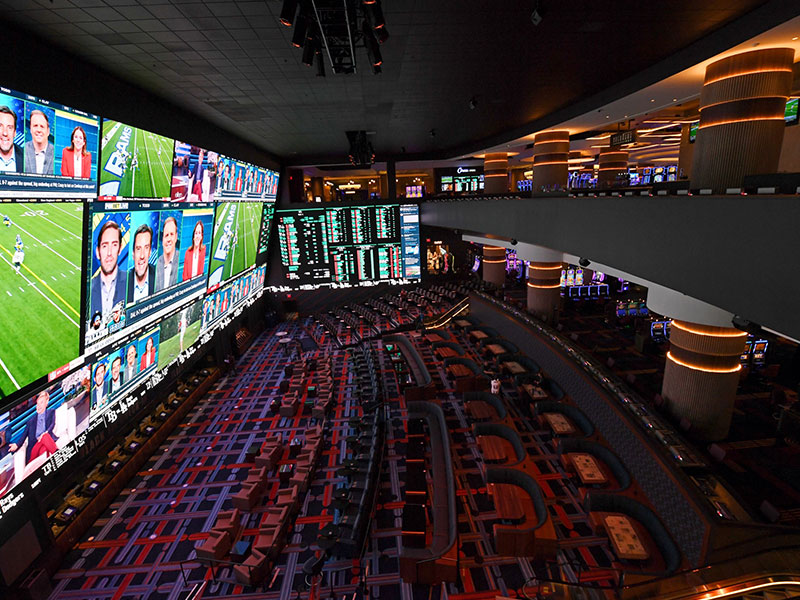
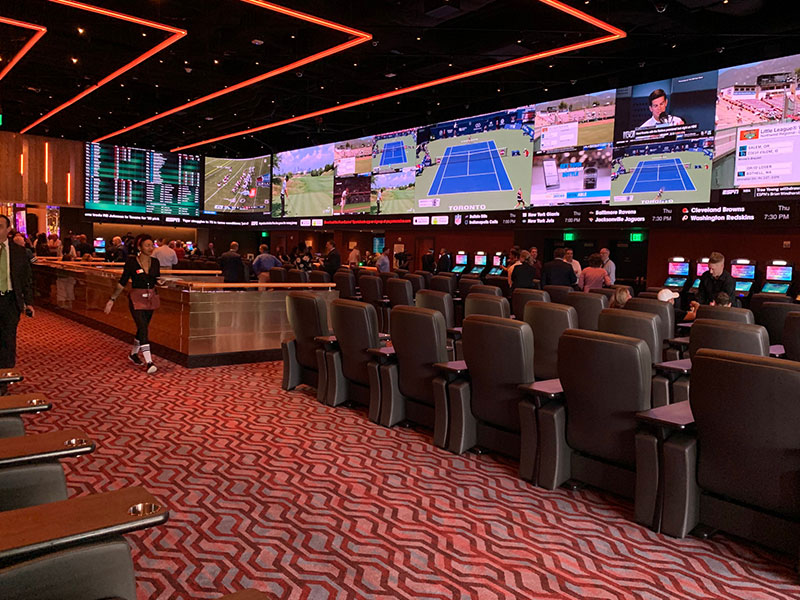
Choose scale and form to suit the space
For an entrance feature, event area or large hospitality space, indoor LED displays can provide a shared visual surface. Viewing distance, pixel pitch, ambient light and intended content determine whether that format fits; a conventional display may suit a close-view information point. Curved walls, columns and ceiling features offer possibilities, but geometry, mounting and access need assessment before selection. The result should support the architecture rather than obscure signs, equipment or circulation.
Consider the arrival sequence
Exterior messaging can help visitors identify the venue and see what is on, but the approach depends on the building and street view. Where the architecture supports an integrated exterior feature, a media façade may form part of the arrival experience. A simpler exterior screen may suit straightforward event information. Check daylight, viewing distance, permitted mounting points and future service access before specifying either approach.
Plan installation around a working venue
Display design must account for supporting structure, power and signal paths, ventilation, controller placement and service access. Non-standard geometry or support conditions may call for an engineered display solution. Installation planning should consider operating hours, restricted work windows, guest circulation, existing equipment, delivery routes, lifting access and other trades. Resolve these constraints before screens arrive. For extended operating periods, agree how components can be reached and which maintenance tasks need a planned service window; no screen should depend on inaccessible parts.
NEXT STEP
Discuss your venue
Tell us the venue type, display zones, intended content and indoor or outdoor conditions. Dimensions, viewing distances, lighting, drawings or photos, mounting geometry, operating hours and access restrictions help us assess options. We can then discuss display scope and what your venue and project teams need to provide.
Talk to Spectracolor →